Free to Enter, Expensive to Leave: The Real Cost of Low-Fee Crypto Betting Platforms
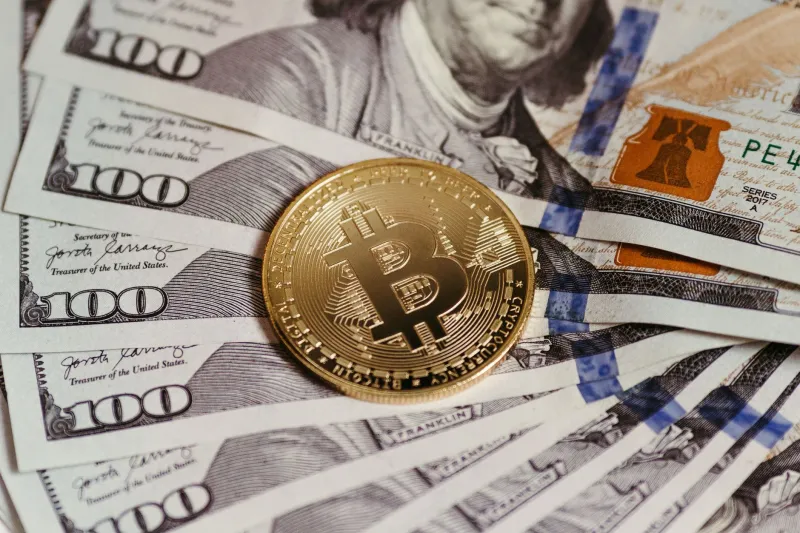
There's a pitch you've probably seen a dozen times scrolling through crypto betting communities: "Zero gas fees. Instant deposits. No minimums." It sounds like the dream setup — a decentralized wagering platform that finally respects your wallet. But if you've been around the blockchain long enough, you know that when something sounds too cheap to be true, it usually is.
The real cost of betting on a decentralized platform isn't what you see on the fee disclosure page. It's what quietly accumulates in the background — in failed transactions, in slippage on your token swaps, in network congestion charges that spike right when you need to move fast. Understanding where that money actually goes is one of the most important skills any crypto bettor can develop.
The "Zero Fee" Illusion
Let's start with the headline number. When a platform advertises low or zero protocol fees, they're typically referring to their cut — the percentage the platform itself takes from each wager. And sure, that's a real saving compared to traditional sportsbooks or casino platforms that skim 5–10% off the top.
But a DeFi betting platform doesn't operate in a vacuum. It lives on a blockchain, and blockchains charge for everything. Every bet placement, every payout claim, every token approval — each one is a transaction that requires gas. On Ethereum mainnet during peak hours, that gas can run $15 to $40 per interaction. Place three bets in an evening and you've already spent more on network fees than a traditional bookmaker would have taken in juice.
Some platforms have migrated to Layer 2 networks or alternative chains specifically to reduce these costs, and that's a genuine improvement. But even on cheaper chains, the fee structure gets complicated fast once you factor in everything else.
Slippage: The Silent Budget Killer
Here's the scenario: you're ready to place a $200 bet on a blockchain-based prediction market. The platform runs on a liquidity pool model, so your bet is essentially a token swap — you're trading one asset for a position in the market. The platform quotes you a favorable rate, you confirm the transaction, and a few seconds later you're in the position.
Except the position you're actually in is worth $183.
That $17 gap? That's slippage. It happens when your transaction hits the blockchain at a slightly different moment than when you previewed the price, and the pool's ratio has shifted. On low-liquidity markets — which are extremely common on newer or niche decentralized betting platforms — slippage can eat 3% to 10% of your stake before the bet even begins. If you're only expecting a 15% return on a winning bet, you've already surrendered a massive chunk of your edge before the outcome is decided.
The platforms with the lowest advertised fees often have the thinnest liquidity pools, which means the worst slippage. It's a direct trade-off that rarely gets mentioned in the marketing copy.
Failed Transactions: Paying for Nothing
This one stings in a uniquely frustrating way. On congested networks, your transaction can fail — either because gas prices spiked mid-submission, because the smart contract hit an unexpected condition, or because you set your gas limit too low trying to save a few dollars. The result: the transaction fails, the bet never gets placed, and you still pay the gas fee.
You paid to accomplish nothing.
This happens more than people realize, especially for newer bettors who are still learning how to set gas parameters or who are using platforms with clunky user interfaces. Some platforms have better error handling and will refund failed transactions in certain cases, but on-chain failures are often just the cost of doing business. On a busy Friday night when everyone is trying to get bets in before a major event, failed transaction rates can spike significantly.
If you're placing ten small bets and two of them fail, you've effectively increased your cost-per-successful-bet by 20% on those failures alone.
The Congestion Spike Problem
Network fees aren't static. They respond to demand, and demand spikes at exactly the moments you most want to be active — during major sporting events, during volatile market swings, during high-profile prediction market resolutions. That's when everyone else is on the network too, and gas prices can triple or quadruple within minutes.
If you're on a platform that runs on a chain with variable gas pricing, your "low-fee" experience on a quiet Tuesday afternoon is completely different from your experience on Super Bowl Sunday. Bettors who don't account for this timing factor routinely get blindsided.
Some platforms lock in fees at transaction initiation, offering a bit of protection. Others pass the full network cost through to you in real time. Knowing which model your platform uses before you commit to it is basic due diligence that a lot of new users skip.
Comparing Total Cost of Ownership
Let's put some rough numbers to this. Say you're placing a $100 bet on a decentralized platform that advertises 0.5% protocol fees.
On paper, that's $0.50 — almost nothing. But then add:
- Gas for the token approval transaction: $2–$8
- Gas for the actual bet placement: $3–$15
- Slippage on entry: $2–$10 depending on pool depth
- Gas for claiming your payout: $3–$8
- Potential failed transaction gas: $2–$5 (if applicable)
All in, a "$0.50 fee" bet can realistically cost $10 to $45 in total friction. On a $100 bet, that's a 10–45% cost overhead before you've even thought about whether your prediction was correct.
Contrast that with a platform charging a straightforward 3% fee. On a $100 bet, that's $3 flat — transparent, predictable, and almost certainly cheaper than the hidden-cost alternative.
What to Actually Look for Before You Deposit
The goal here isn't to scare you away from decentralized wagering — the transparency, self-custody, and fairness advantages of blockchain-based betting are real and valuable. But going in with clear eyes about total cost is how you protect your bankroll.
Before committing to any platform, run through this checklist:
- Which blockchain does the platform run on? Layer 2 chains and alternative networks generally offer lower and more predictable gas.
- What's the typical liquidity depth on the markets you want to bet? Shallow pools mean high slippage.
- Does the platform display slippage estimates before you confirm? If it doesn't, that's a red flag.
- What's the platform's policy on failed transactions? Some offer partial refunds or retry mechanisms.
- Are fees fixed or variable? Variable network fees require active management on your part.
The cheapest-looking platform and the most cost-efficient platform are rarely the same thing. At ZBet VN, we're big believers in decentralized wagering done right — and doing it right starts with understanding exactly what you're paying for, even when the platform would prefer you didn't ask.