Shorting the Storm: Why Betting Against Crypto Volatility Wrecks More Bankrolls Than Just Going Long
There's a certain kind of confidence that comes with thinking you've outsmarted the market. You're not just blindly buying in — you're hedging. You've got a short position open, maybe some inverse exposure through a decentralized derivatives platform, and you're feeling pretty good about your risk management. You've done the math. You've read the charts.
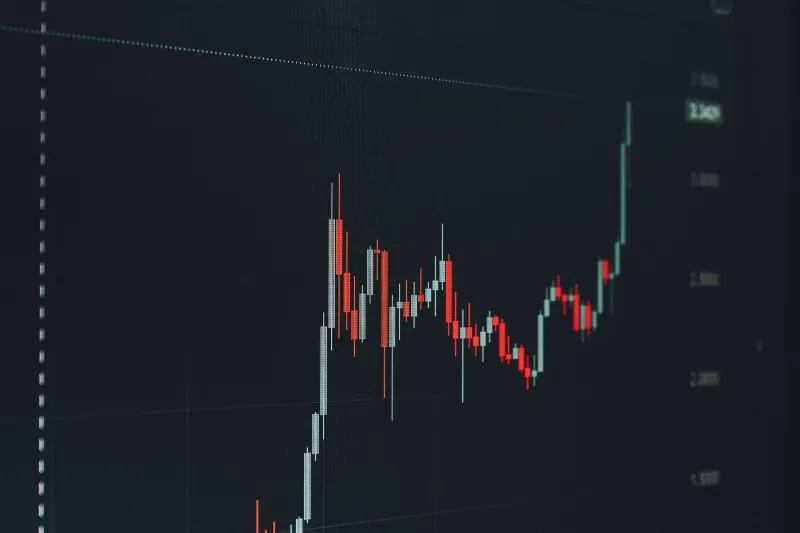
And then Bitcoin moves 18% in four hours, and your position is gone.
This is the leverage trap — and it's swallowing more bankrolls on crypto wagering and DeFi trading platforms than almost any other mistake. The cruel irony is that it tends to hit the traders who think they're being careful.
What "Betting Against Volatility" Actually Means
Before we get into why this strategy blows up so often, let's be clear about what we're talking about. On decentralized platforms, sophisticated users can take inverse positions — essentially betting that an asset's price will fall — or they can wager on volatility itself through instruments like options-style contracts and perpetual futures with leverage.
The appeal is obvious. If you think the market is overheated or due for a correction, shorting feels like the rational play. You're not a degenerate gambler throwing money at the next meme coin pump — you're a strategist with a thesis. You're hedging your portfolio. You're playing defense.
Except crypto doesn't really do "defense" the way traditional markets do.
The Psychological Pull of Playing It Safe
Here's where the trap gets psychological. When markets are choppy and uncertain, going short feels like the responsible adult move. You're not chasing gains — you're protecting yourself. This framing is seductive, especially for US-based traders who've watched crypto cycles long enough to know that what goes up eventually comes crashing down.
The problem is that "eventually" is doing a lot of work in that sentence.
Crypto assets can stay irrational longer than your margin can stay solvent. A coin that looks fundamentally overvalued at $40,000 can run to $65,000 before it corrects. If you're sitting in a leveraged short position the entire time, you're not hedging — you're bleeding out slowly, or getting liquidated in a single violent squeeze.
Decentralized platforms make this worse in a specific way: liquidations happen automatically, enforced by smart contracts with no human judgment involved. There's no broker to call, no margin call grace period, no chance to explain your thesis. The contract executes, your collateral is gone, and the market continues doing whatever it wants.
Real-World Scenarios Where the Hedge Backfires
Let's walk through how this actually plays out.
Scenario one: The "safe" short during a bull run. A trader opens a 5x leveraged short on ETH at what looks like a local top. The asset dips slightly, confirming the thesis. Confidence grows. Then a major protocol announcement drops, sentiment flips overnight, and ETH rips 22% higher. The short gets liquidated. The trader's entire stake — the collateral they put up to open the position — evaporates.
Scenario two: The volatility bet that cuts both ways. Some decentralized platforms let you effectively bet on whether an asset will move a lot or a little. A trader assumes a quiet weekend, takes a position that profits from low volatility, collects a little premium — and then a regulatory headline drops on a Sunday afternoon and the market goes haywire. The position doesn't just lose; it loses fast, with no time to adjust.
Scenario three: The hedge that wasn't. A DeFi user holds a large long position in a crypto gaming token and decides to open a small short on BTC as a hedge. The logic seems sound. But when the broader market sells off, their gaming token drops more than BTC (smaller cap assets almost always fall harder in risk-off environments), while their short on BTC doesn't generate enough profit to offset the damage. They've paid fees, taken on liquidation risk, and still ended up worse than if they'd just held their original position.
None of these are hypothetical edge cases. These scenarios play out constantly on decentralized wagering and derivatives platforms, especially among traders who are new enough to feel sophisticated but experienced enough to have access to these instruments.
Why Crypto's Price Behavior Makes This Especially Brutal
Traditional financial markets have circuit breakers, trading halts, and institutional players who generally dampen extreme volatility. Crypto has none of that, and decentralized platforms are even less constrained than centralized exchanges.
What this means practically is that the assumptions built into a volatility bet — assumptions about how far the price will move, how quickly, and in which direction — are almost always underestimates. Crypto regularly produces moves that would be considered once-in-a-decade events in equity markets, and it does so on a monthly basis.
When you're betting against volatility or using leverage to short a move, you're essentially writing insurance. And in crypto, the disaster you're insuring against shows up way more often than your premium accounts for.
The Liquidation Cascade Problem
There's one more layer to this that's specific to decentralized platforms: liquidation cascades. When enough leveraged short positions get squeezed at the same time — because the market moved against them — the automated liquidations actually add fuel to the move. Each liquidation pushes the price further in the direction that's hurting the shorts, which triggers more liquidations, which pushes the price further still.
If you're in a short position during one of these cascades, you're not just fighting the market. You're fighting a feedback loop that the platform's own mechanics are accelerating. It's one of the more brutal features of how on-chain leverage actually works in practice.
So What's the Move?
None of this means you should never use inverse positions or volatility strategies on decentralized platforms. It means you should go in with a clear-eyed understanding of what you're actually doing.
A few practical principles worth keeping in mind:
- Size matters more than direction. A small, unlevered short is a hedge. A large, leveraged short is a bet — and a risky one.
- Know your liquidation price before you open the position. On most DeFi platforms, this information is right there. Use it.
- Volatility assumptions in crypto should always be wider than you think. Whatever move you're pricing in, add a significant buffer. Crypto has a long history of exceeding "impossible" price swings.
- The psychological comfort of a hedge isn't the same as actual risk reduction. If a position makes you feel safer but doesn't actually reduce your downside in a realistic scenario, it's not a hedge — it's a story you're telling yourself.
Decentralized wagering platforms are genuinely exciting tools that give everyday users access to instruments previously reserved for institutional desks. But that access comes with real risk, and the most dangerous version of that risk isn't reckless speculation — it's careful-feeling speculation that's actually just leverage with extra steps.
The storm doesn't care how smart your thesis is. Make sure your bankroll can survive it.