Here One Day, Gone the Next: What Actually Happens When a Crypto Betting Platform Shuts Down
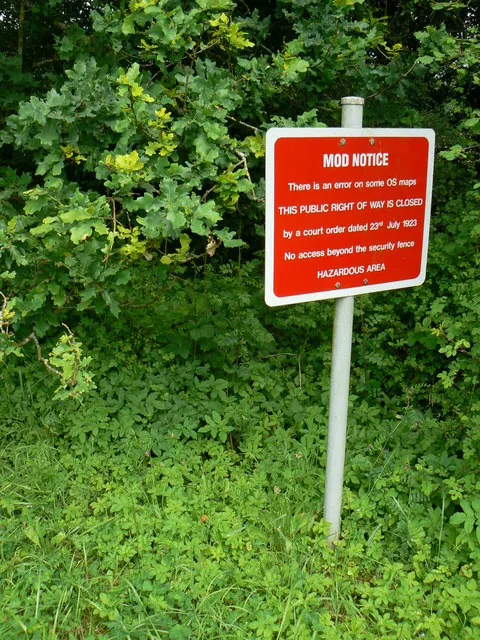
Photo: Sebastian Ballard, CC BY-SA 2.0, via Wikimedia Commons
You log in on a Tuesday morning, ready to settle a bet you placed over the weekend. The site won't load. You refresh. Nothing. You check Twitter, and the official account hasn't posted in four days. Your Discord messages go unanswered. Your funds — let's say a few hundred bucks worth of ETH — are just... sitting there. Or maybe they're not.
This isn't a horror story. It's a pattern that repeats itself in the decentralized betting space more often than most platforms want to admit. And if you're wagering on blockchain-based platforms, understanding why this happens and what to do when it does is just as important as understanding odds or gas fees.
Why Platforms Go Dark Without Warning
There's rarely a single reason a crypto betting platform disappears. Usually it's a combination of factors that builds quietly until the whole thing collapses at once.
Regulatory pressure is one of the most common triggers, especially for US-facing platforms. The legal landscape for crypto wagering in America is genuinely chaotic — different states treat it differently, the DOJ has its own interpretation, and the CFTC and SEC are both circling the space with overlapping jurisdiction. When a platform suddenly finds itself in the crosshairs of a federal investigation or a state attorney general, the fastest move is often to just pull the plug. No announcement, no wind-down period. Just gone.
Liquidity crises are another major culprit. Decentralized platforms depend on liquidity pools to function. When bettors start withdrawing faster than new funds come in — especially during a broader crypto market downturn — the pool drains. If the platform can't rebalance fast enough, it may freeze withdrawals first and then go offline entirely. This is the slow-motion version of a bank run, and it's happened to multiple betting protocols in the last few years.
Rug pulls are the bluntest version. The team raises funds, builds enough of a product to look legitimate, accumulates user deposits, and then transfers everything to wallets they control before disappearing. It's fraud, plain and simple, but it's still happening on the fringes of the DeFi wagering world.
And then there's the less dramatic but equally frustrating scenario: operational failure. Small teams, underfunded infrastructure, a smart contract bug that drains reserves — sometimes platforms just can't sustain themselves and choose a quiet exit over a public implosion.
Real Platforms That Vanished
Without naming every defunct project, a few patterns stand out from the graveyard of closed crypto betting sites.
Several platforms that launched during the 2021 DeFi boom quietly stopped processing withdrawals in late 2022 and early 2023, citing "liquidity restructuring" before going completely silent. Users who had funds in those platforms discovered that smart contract access had been revoked, meaning even if they could prove ownership, there was no mechanism to claim their assets.
Other platforms — particularly those operating without KYC and actively marketing to US users — received cease-and-desist letters from state gambling commissions. A few complied and shut down properly, giving users weeks to withdraw. Most didn't, disappearing faster than users could react.
The common thread? Users who kept large balances on-platform got hurt the worst. Users who treated the platform like a hot wallet — depositing only what they needed for active bets — had far less exposure.
What Due Diligence Actually Looks Like
Before you deposit a single dollar into any decentralized betting platform, there are a few non-negotiable checks worth doing.
Audit the smart contracts. Legit platforms get their code audited by third-party security firms. The audit report should be publicly accessible, not just referenced in a whitepaper. If you can't find it, that's a red flag.
Check the team's transparency. Anonymous teams aren't automatically sketchy — plenty of solid DeFi projects run pseudonymously — but you should at least be able to verify a track record. Have these people shipped working products before? Is there an active GitHub? Are they reachable?
Look at withdrawal history. Before depositing, test the platform with a small amount and actually withdraw it. If the process is slow, glitchy, or requires unexplained "verification," that tells you something important before you're in deep.
Monitor liquidity levels. Many decentralized platforms display their pool sizes publicly on-chain. A platform with rapidly declining liquidity is showing you the warning signs of a future freeze. Tools like DefiLlama can help you track TVL (total value locked) trends over time.
Understand what jurisdiction means here. If a platform is explicitly avoiding US users in its terms of service but still accessible to you, that's a liability — for them and potentially for you. Platforms without a clear legal standing in the US are operating in territory that makes any kind of recourse nearly impossible if things go wrong.
When a Platform Disappears: Your Actual Options
Let's say the worst happens. The platform you've been using goes dark with funds still in your account. What now?
First, check if the smart contract is still accessible. Decentralized platforms built on public blockchains like Ethereum don't just vanish from the chain — the contract still exists. Depending on how the platform was structured, you may be able to interact directly with the contract through a tool like Etherscan to initiate a withdrawal without going through the platform's front end. This requires some technical comfort, but it's worth exploring.
Second, document everything immediately. Screenshots of your balance, transaction hashes, wallet addresses, any communication from the platform — all of it. If there's ever a legal process, class action, or regulatory investigation, this documentation is your only leverage.
Third, report it. The FBI's Internet Crime Complaint Center (IC3) accepts reports on crypto fraud. Your state's attorney general office may also be relevant. These reports rarely lead to direct recovery, but they contribute to the paper trail that eventually builds cases against bad actors.
Fourth, join the community of affected users. Platforms that shut down improperly often leave behind Discord servers or Telegram groups full of people in the same situation. Sometimes collective action — whether legal or social — creates pressure that leads to partial recovery. It's not guaranteed, but it's better than going it alone.
Finally, and most practically: accept that some losses may be unrecoverable. This is hard to hear, but the decentralized nature of these platforms is a double-edged sword. The same features that make them censorship-resistant also make them difficult to hold accountable when they fail.
The Smarter Way to Play
The best protection against a platform shutdown isn't a recovery plan — it's a deposit strategy that minimizes your exposure in the first place.
Treat any on-platform balance like cash you've handed to a stranger at a party. You might get it back, you might not. Only leave what you're actively using for bets. Move winnings to your own wallet regularly. Spread activity across multiple platforms rather than concentrating everything in one place.
Decentralized wagering offers real advantages — transparency, speed, permissionless access — but those features don't insulate you from the very human problems of bad actors, bad decisions, and bad timing. The blockchain records everything. It just can't force anyone to give your money back.
Stay sharp, stay skeptical, and never let a platform hold more of your funds than you're genuinely prepared to lose.